PODS vs U-Pack vs U-Box: The 2026 Container Move
Quick answer: Containers sit in the useful middle between renting a truck and hiring a full crew: about $2,000 to $4,000 for a 1,000-mile move, versus $5,400 to $7,200 full-service. Pick U-Pack for a long-distance move you can load in three days, PODS when you need the container to sit in your driveway on your schedule, 1-800-PACK-RAT for all-steel boxes and long storage, and U-Box only when price beats everything else and you can tolerate scheduling slop. Watch weight limits, street-permit rules, and the insurance tiers, which is where these quotes quietly diverge.
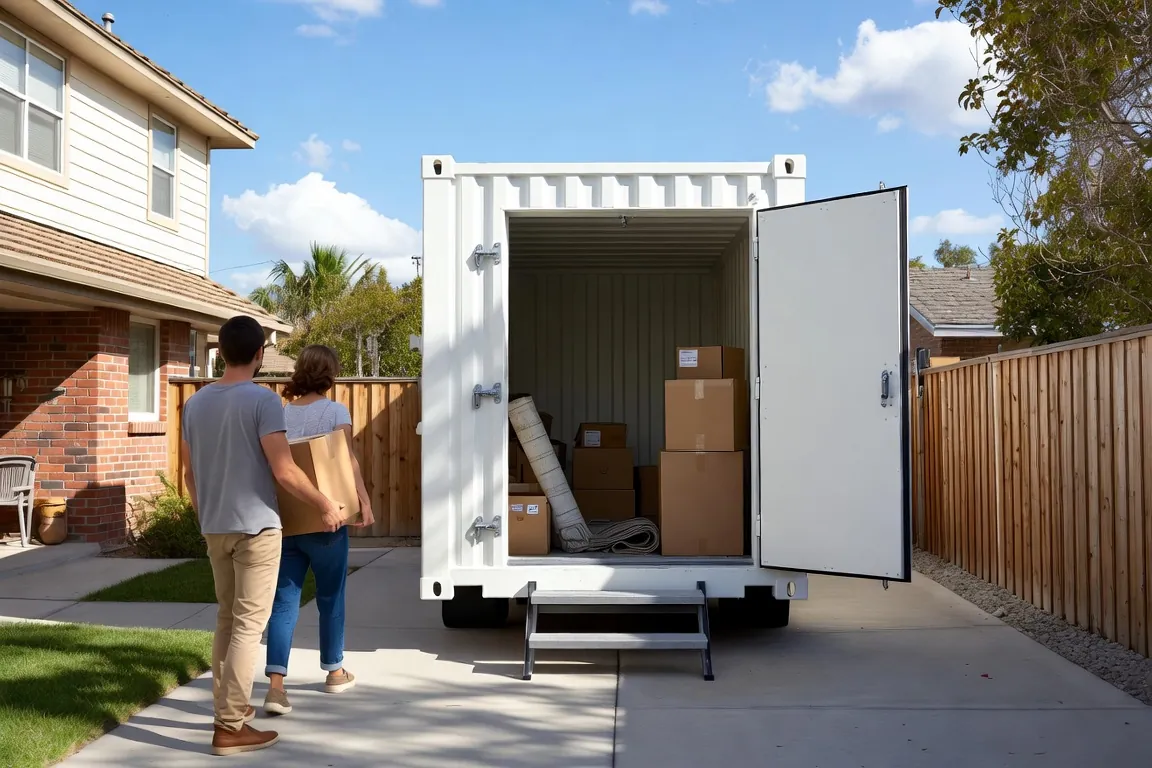
Twelve years on trucks taught me to respect the container companies, reluctantly. Every driveway box that shows up is a customer who decided not to pay for a crew, and half the time, for that particular move, they were right. The container quietly solved the two worst parts of moving: the brutal one-day load deadline of a rental truck, and the four-figure premium of full service. What it did not solve is the confusion, because the four big container products are built differently, priced differently, and wrapped in different fine print, and the marketing does its best to blur all of it.
So here is the trucker's-eye comparison, with 2026 numbers.
The four products, honestly described
U-Pack is a freight company wearing a moving costume, and I mean that as a compliment. Your ReloCube, one size, 308 cubic feet, 2,500-pound limit, rides ArcBest's freight network, which is why U-Pack does long-distance only, roughly 150 miles minimum, and why the pricing is all-inclusive with fuel and transport baked in. You get three business days to load and three to unload. Order more Cubes than you need and you pay only for what you fill. It is the best-reviewed operation in the category by a wide margin, sitting around 4.9 on Trustpilot with an A+ BBB rating, numbers the rest of this list does not approach. One flag for the nervous: parent company ArcBest posted a loss this summer and restructured, but it said plainly that U-Pack the consumer service is retained and unaffected, and the demand commentary called the business stabilizing.
PODS invented the category and still owns its middle: three container sizes up to 16 feet, delivered to your driveway, kept as long as you keep paying rent, with 30 days of storage included. That's the whole pitch, and it is a good one if your closing dates do not line up or you want to load over three weekends instead of three days. Note the weight quirk nobody reads: the smallest 8-foot container carries the most weight, 5,200 pounds, while the big 16-footer is rated for just 4,200. Books go in small boxes and small containers. New CEO as of January 2026, same pension-fund owner since 2015. Complaint themes in reviews are billing surprises and delivery windows, so get every date and rate in writing.
1-800-PACK-RAT is the build-quality play: all-steel containers with barn doors, against PODS' steel-frame-composite-panel construction. Steel matters if your stuff will sit in the box through a Gulf Coast summer or a Minnesota February, and barn doors do not jam the way roll-ups can when the load shifts. Pricing lands near PODS, with frequent half-off promotions that make it the one to price-check every time. The footprint is smaller, roughly 30-some states and 80-plus locations, so rural moves need an address check first.
U-Haul U-Box is the budget seat. One small size, 257 cubic feet, 2,000-pound limit, and the box itself is plywood under a weather cover, the least rugged shell of the four. The average U-Box customer pays around $3,700 for a long-distance move, per-container rates commonly undercut the others, and the location network is the biggest in the business. The reviews are also the roughest of the group, with late pickups and deliveries the recurring theme. It is the right product when the price gap is wide and the schedule is soft.
The numbers side by side
| U-Pack ReloCube | PODS | 1-800-PACK-RAT | U-Haul U-Box | |
|---|---|---|---|---|
| Container | One size, 308 cu ft, metal | 8/12/16 ft, steel frame + composite | 8/12/16 ft, all steel | One size, 257 cu ft, plywood + cover |
| Weight limit | 2,500 lbs per Cube | 4,200 to 5,200 lbs | 4,000 to 6,000 lbs | 2,000 lbs per box |
| Local moves | No, long-distance only | Yes, $300 to $600 typical | Yes, $350 to $800 | Yes |
| 1,000-mile ballpark | ~$2,300 per Cube all-in | $1,000 to $3,500 per 16-ft container | ~$4,470 average, before promos | ~$3,700 average total |
| Loading window | 3 business days | As long as you pay rent | As long as you pay rent | No time limit |
| Storage | At ABF terminal only | $150 to $359/mo, 30 days included | $150 to $320/mo | From ~$75/mo per box |
| Included coverage | $7,500 catastrophic per Cube, free | None; $38.95+/mo for $5,000 tier | None; tiers from ~$35/mo | None; Safestor from $7.95/mo |
| Review posture | Best in class | Middling | Mixed, check live | Weakest of the four |
Prices are 2026 ranges reported across moveBuddha, move.org, HomeGuide, and company rate pages; container moving is quoted dynamically by lane and season, so treat these as brackets, not rate cards. Coverage figures from each company's published protection-plan pages, August 2026.
That insurance row deserves a second look, because it is the sneakiest cost difference on the table. U-Pack includes $7,500 of catastrophic coverage per Cube at no charge. PODS charges $38.95 a month for its lowest $5,000 contents tier, which on a two-month move quietly adds $78 to the real quote. If you have ever read my piece on what movers won't tell you about insurance, you already know the rule: the coverage line is part of the price, compare it like one.
The fine print that actually bites
Driveway and street rules. The box takes one parking space, but the delivery truck needs three or four to maneuver. Street placement almost always needs a city permit, $30 to $100 in most cities, and PODS wants a copy before the truck rolls. HOAs commonly cap placement at 3 to 7 days, which can quietly delete PODS' main advantage, the leisurely load. Check the HOA before you book, not after the box lands.
The three-day clock. U-Pack's load window is three business days, extra days cost money, and the trailer option needs 14 feet of overhead clearance and a nearly level driveway. The Cube fits a king mattress and a 91-inch sofa; measure the one piece you are worried about before committing.
Weight math beats volume math. A 16-foot PODS holds 835 cubic feet but only 4,200 pounds. Load it with a garage full of tools and books and you will hit the weight ceiling with the box half empty. Split dense loads across a second small container, or thin the load first; my box kits comparison covers the cheapest way to buy the cardboard, and the packing supplies checklist covers everything else, down to the twelfth roll of packing tape you do not believe you need yet.
Container versus the alternatives
The honest framing is that containers are a labor decision disguised as a shipping decision. You are the crew now. Loading a 16-footer to survive 1,000 highway miles is a skill; furniture pads, tie-downs at every quarter of the load, heavy low and forward. Budget a full weekend and a strong friend, and read my hire movers versus DIY math before assuming the savings survive a thrown-out back.
Against a rental truck, the container costs roughly $500 to $1,000 more on a typical long haul and buys you out of driving a 26-foot box through mountain passes, fuel stops, and motel parking lots. Against full service, a 2-bedroom container move at $4,200 versus $6,800 full-service is a real gap, and one worth closing partially: hiring loading labor by the hour on each end typically adds $300 to $600 total and is the best money in the whole operation. If you would rather price the professional route before deciding, a quick quote comparison against the numbers in my long-distance movers ranking settles it with your real inventory and lane, not my averages.
My call
For most long-distance moves that fit the three-day load window, U-Pack wins: all-in pricing, real included coverage, and the review record to back it. PODS wins when the timeline is the product, a renovation, a gap between closings, a move you need to load across three weekends. PACK-RAT wins on steel when the box will sit through weather, and its promo pricing makes it a mandatory second quote. U-Box wins on price alone, eyes open. Whichever you pick, get the delivery dates in writing, photograph the loaded container before the doors close, and remember that the cheapest quote on the screen is rarely the cheapest move in the driveway.
Frequently Asked Questions
How much does a portable moving container cost in 2026?
Local moves run about $300 to $800 including a month of storage. Long-distance, expect $2,000 to $4,000 for a typical one-container move of around 1,000 miles, with U-Pack averaging about $2,300 per Cube all-in and PODS $1,000 to $3,500 per 16-foot container plus coverage.
Which moving container company has the best reviews?
U-Pack, by a distance: roughly 4.9 on Trustpilot with an A+ BBB rating as of mid-2026. U-Haul's U-Box is the most complained-about of the four, mostly over late pickups and deliveries.
Do I need a permit for a moving container?
On your own driveway, usually not, though HOAs often limit how long a container can sit. On a public street, almost always yes, typically $30 to $100 from the city, and PODS requires a copy of the permit before delivery.
Are containers cheaper than hiring movers?
Typically 30 to 40 percent cheaper than full service on comparable long-distance moves, in exchange for you doing all the loading. The smart hybrid is a container plus hourly loading labor on each end, which usually still clears $1,500 or more in savings on a 2-bedroom interstate move.